
Selected aircraft stand design, apron planning, and airside infrastructure projects developed within a complex, high-traffic airport environment.
These projects demonstrate a combination of technical design, aircraft simulation, and real-world operational implementation, including work completed during active construction, infrastructure constraints, and large-scale operational disruptions.
FEATURED PROJECTS
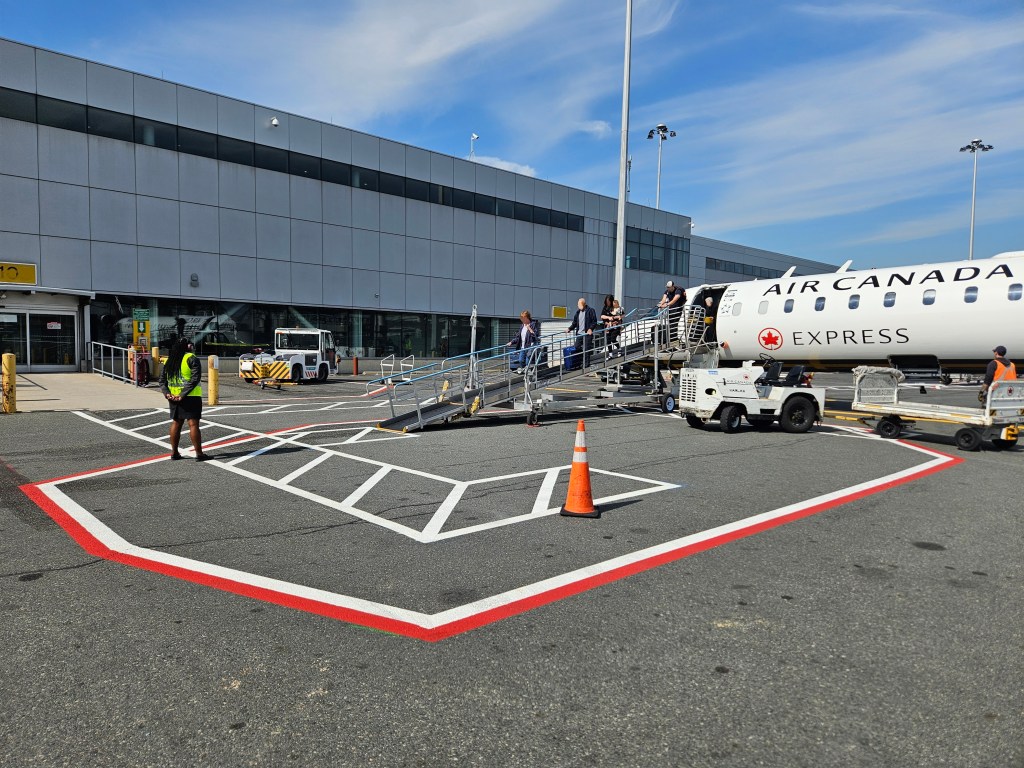
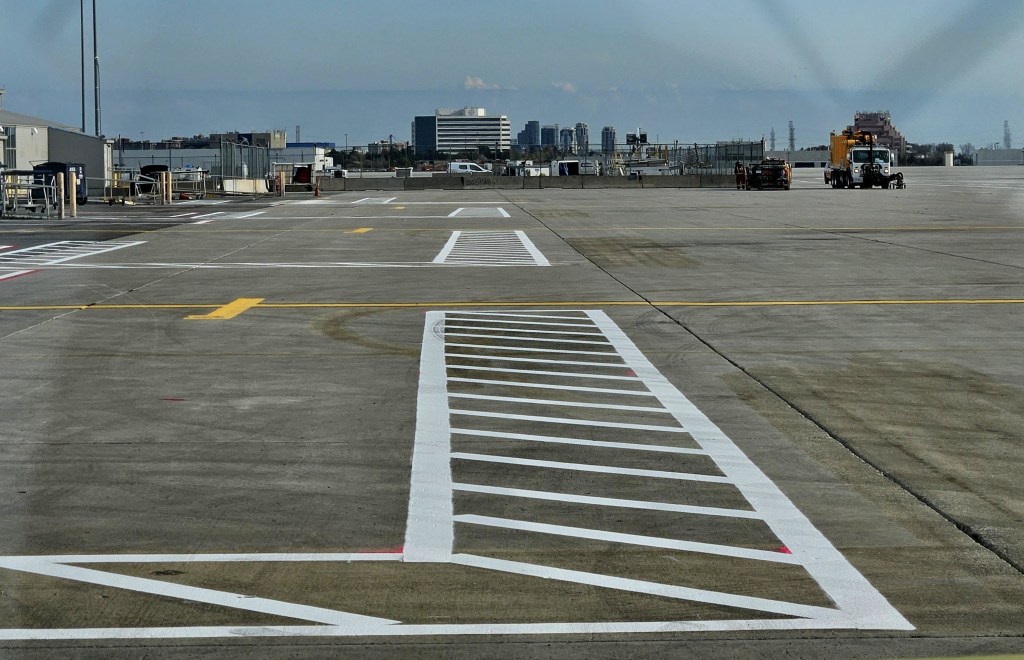
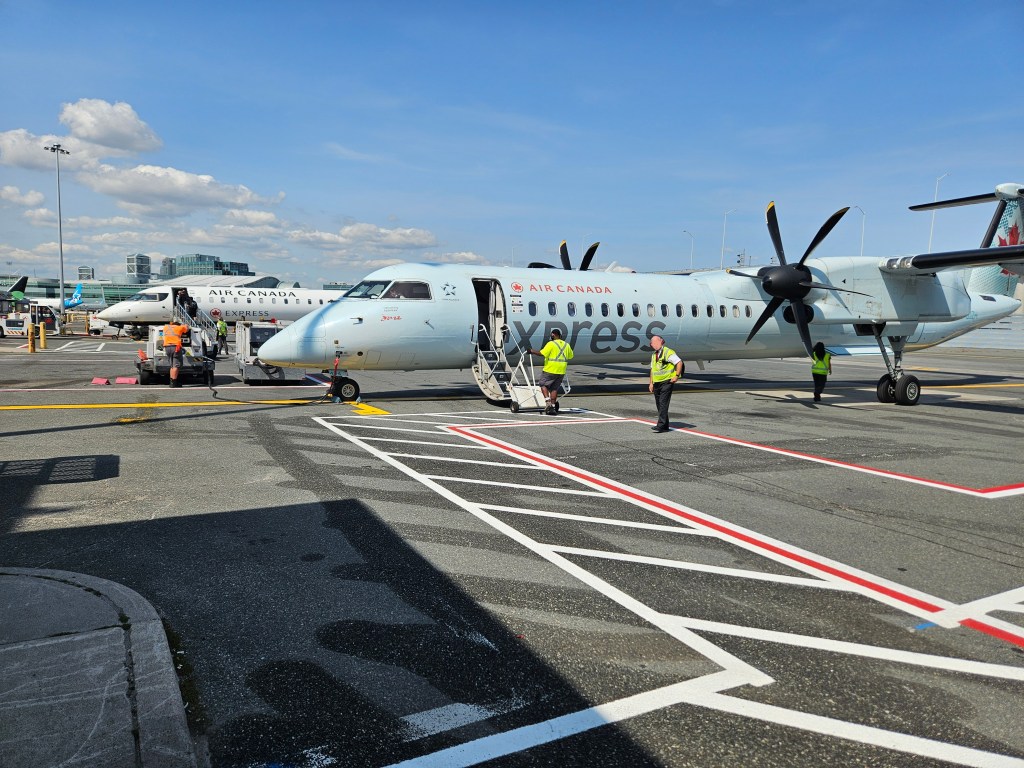
Pier D and Pier G West Apron & Taxilane Redesign
Comprehensive redesign of an active apron area to improve aircraft compatibility, maneuverability, and overall operational efficiency.
The existing layout limited the range of aircraft types that could be accommodated and created inefficiencies in both aircraft movement and ground vehicle circulation. A full redesign was developed, including updated stand geometries, revised taxilane alignments, and improved integration of tail-of-stand roadways. Select stands were increased to accommodate full Code C aircraft types in a walkout configuration, aiding in parking capacity and irregular operation situations. A GSE area was assessed and redesigned to accommodate a fence-line move, allowing for the larger aircraft sizes.
Aircraft movement simulations were used to validate all configurations, ensuring safe clearances and operational feasibility within a constrained environment.
The final layout significantly increased apron usability, allowing larger aircraft to operate within the same footprint while improving traffic flow and reducing conflicts between aircraft and ground operations.
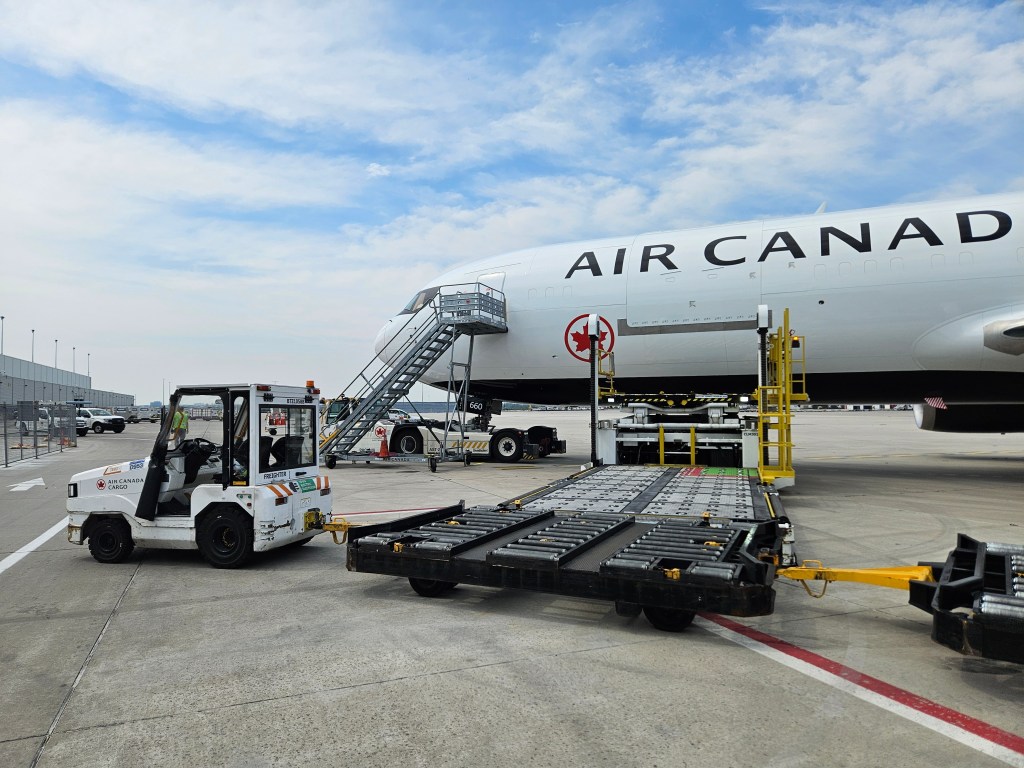
South Infield Cargo Apron Redesign
Targeted apron redesign to resolve clearance conflicts, improve clarity for gate planners, and expand widebody cargo aircraft capability.
The original configuration presented multiple wingtip clearance limitations and restricted the ability to accommodate larger cargo aircraft. A revised layout was developed through refined stand positioning and optimization of lead-in lines.
The redesign increased the number of usable stands while introducing new widebody aircraft compatibility, all within the existing apron footprint.
This project demonstrates the ability to unlock additional capacity and operational capability through precise spatial planning and aircraft simulation.
Capital Construction Apron Phasing Strategies (2020–2024)
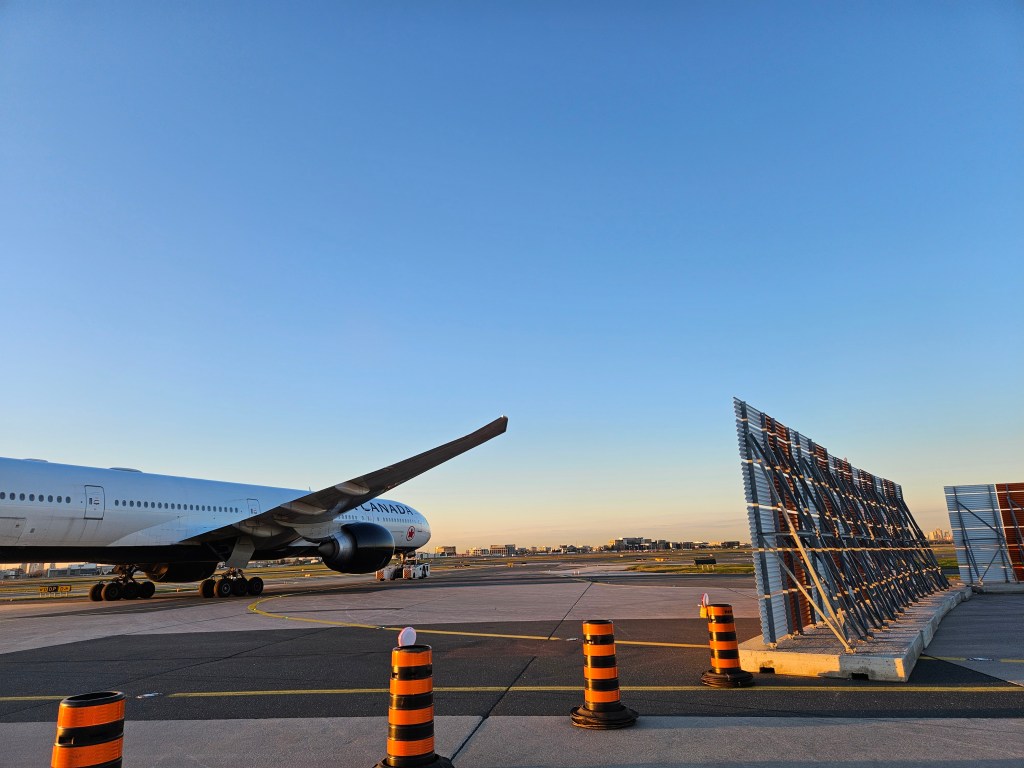
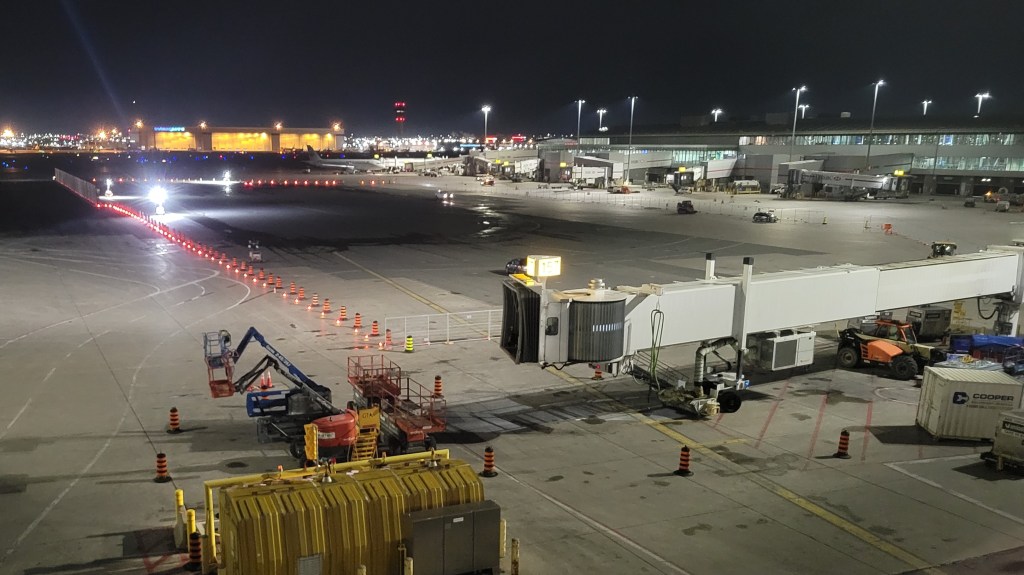
Multi-year apron planning strategy developed to maintain aircraft operations during major infrastructure construction.
Significant portions of apron space were periodically unavailable due to ongoing construction activities. To mitigate operational impacts, a series of phased stand reconfigurations and temporary taxilane layouts were developed. These included jet-blast analysis, and where warranted, the use of mobile jet-blast fencing to protect workers.
Each phase adapted to evolving constraints while preserving aircraft parking capacity and maintaining safe movement corridors for both aircraft and ground operations.
This work enabled continuous airport operations throughout extended construction periods, minimizing disruption and maintaining operational resilience.
Stand Multi-Aircraft Configuration Redesign
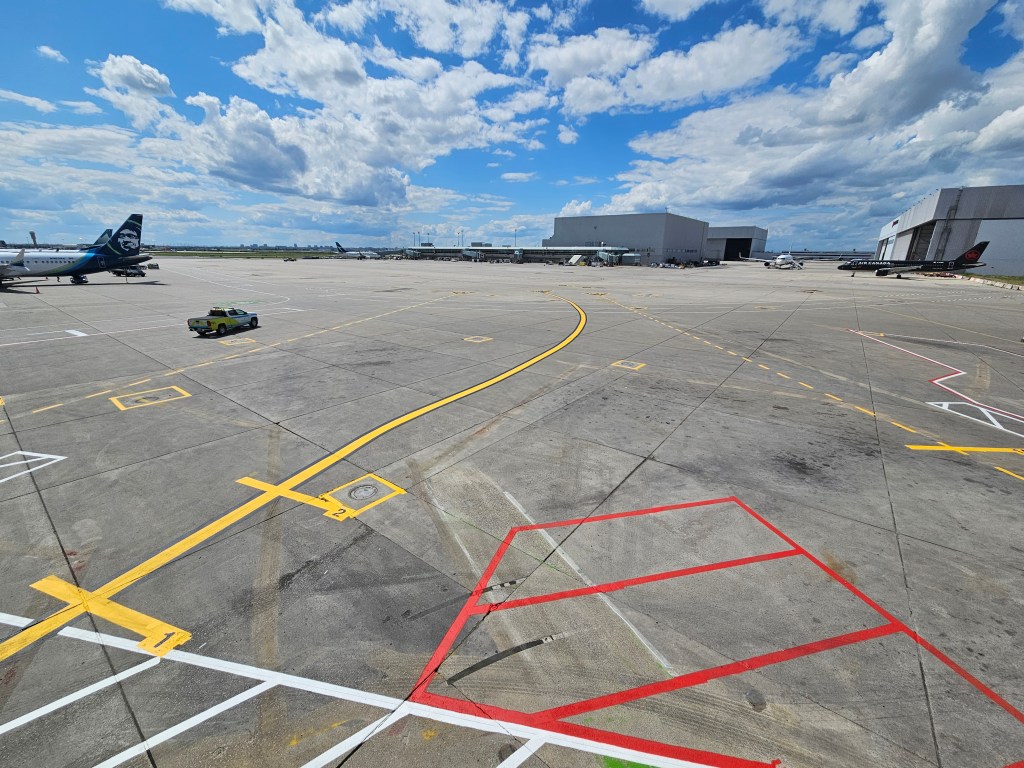
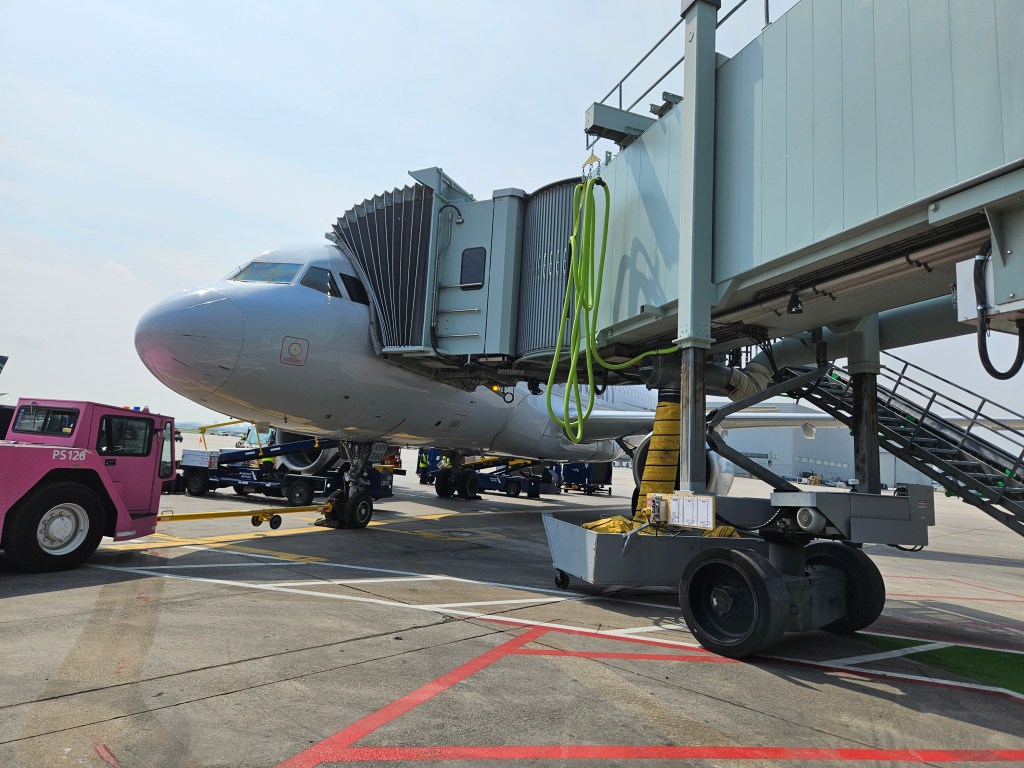
Flexible stand redesign enabling multiple aircraft configurations within a single position.
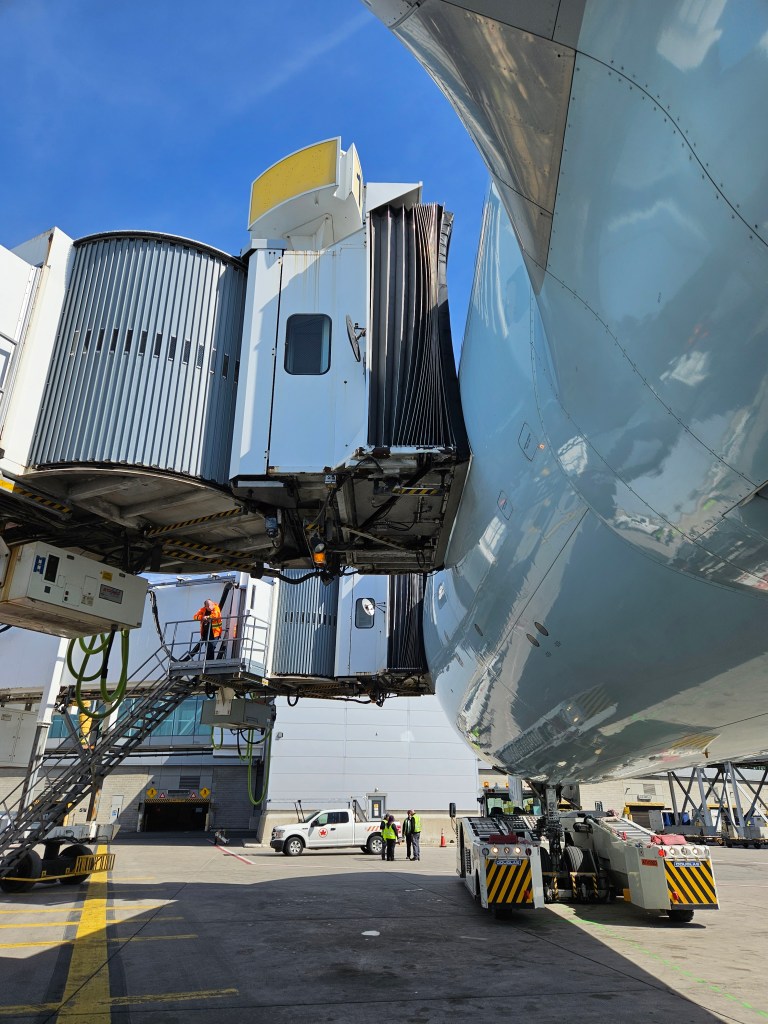
The stand was reconfigured to support a range of operational scenarios, including full Code C aircraft operations, dual regional aircraft configurations, and smaller aircraft mixes.
Aircraft simulations and coordination with operational stakeholders ensured that all configurations could be executed safely while maintaining required clearances, passenger walkways, and servicing access.
This redesign significantly improved stand utilization and provided increased flexibility for varying traffic demands.
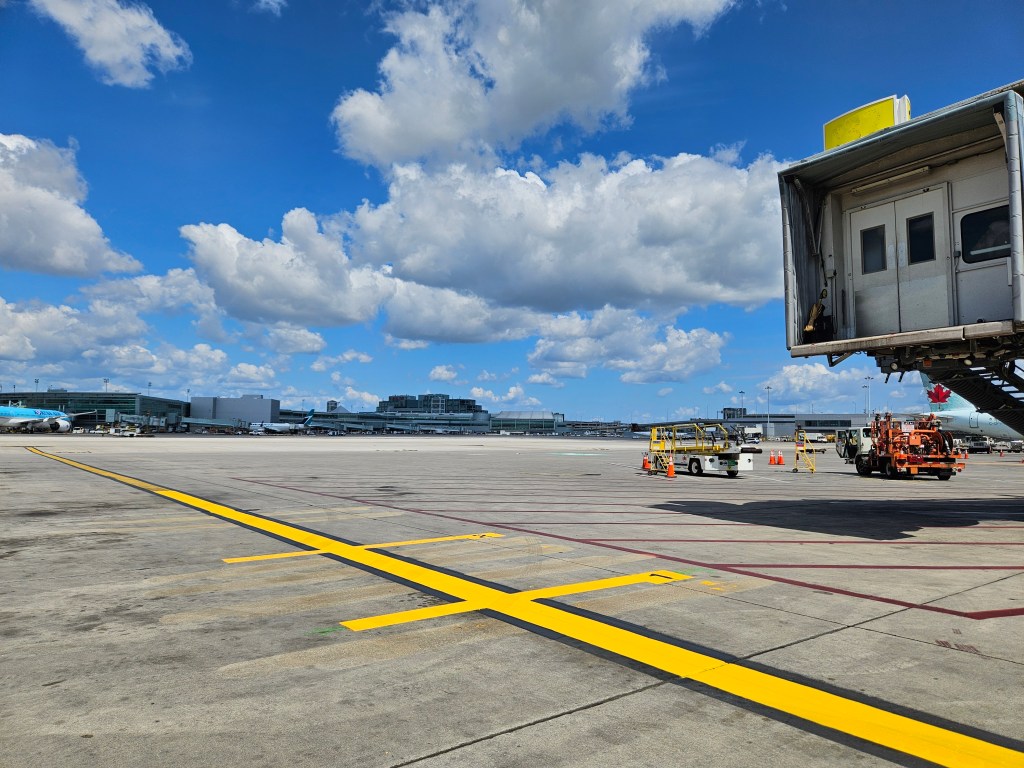
Terminal-Wide Stopline Optimization Program
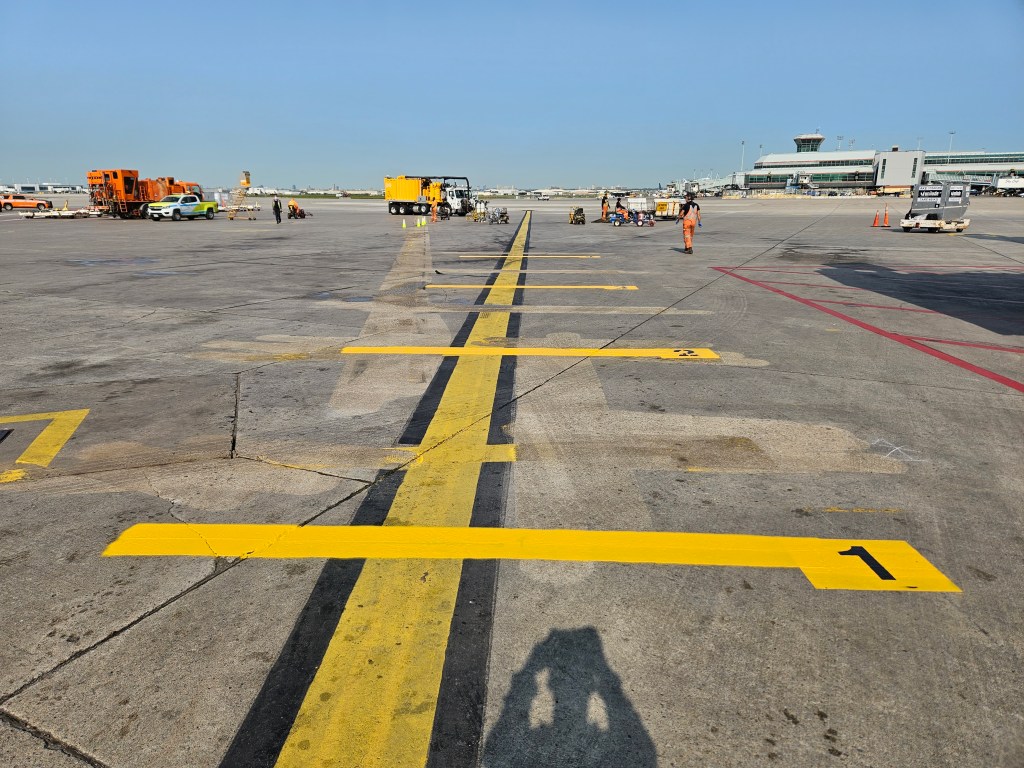
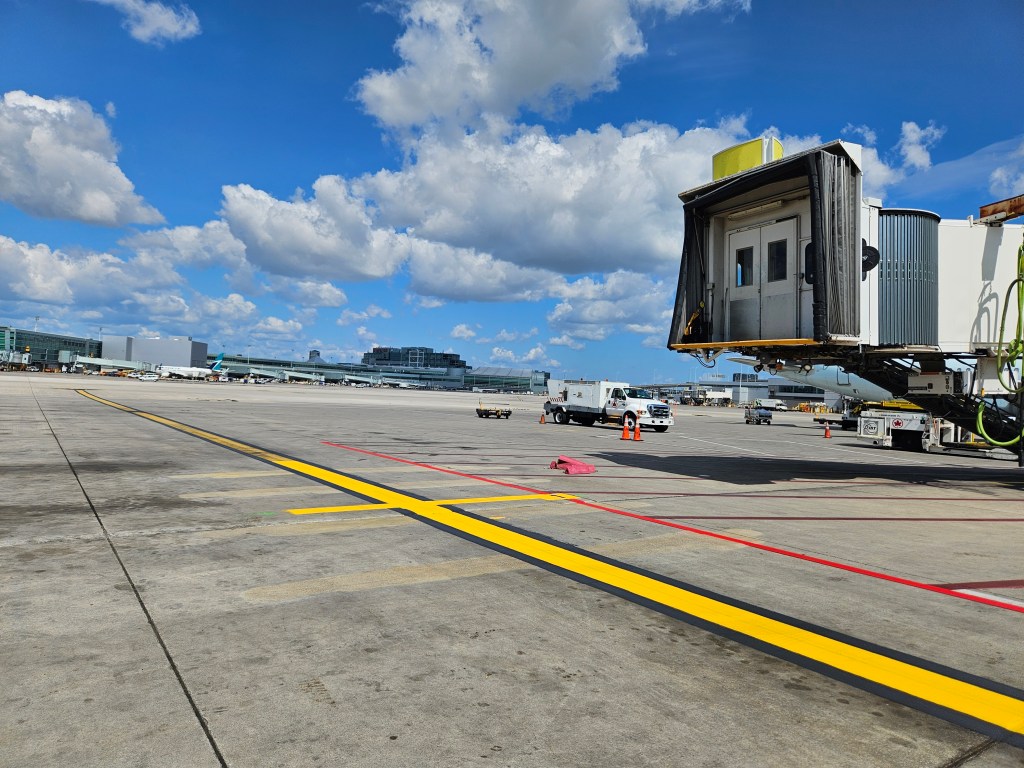
Airport-wide initiative to simplify and standardize aircraft stopline configurations across multiple apron areas.
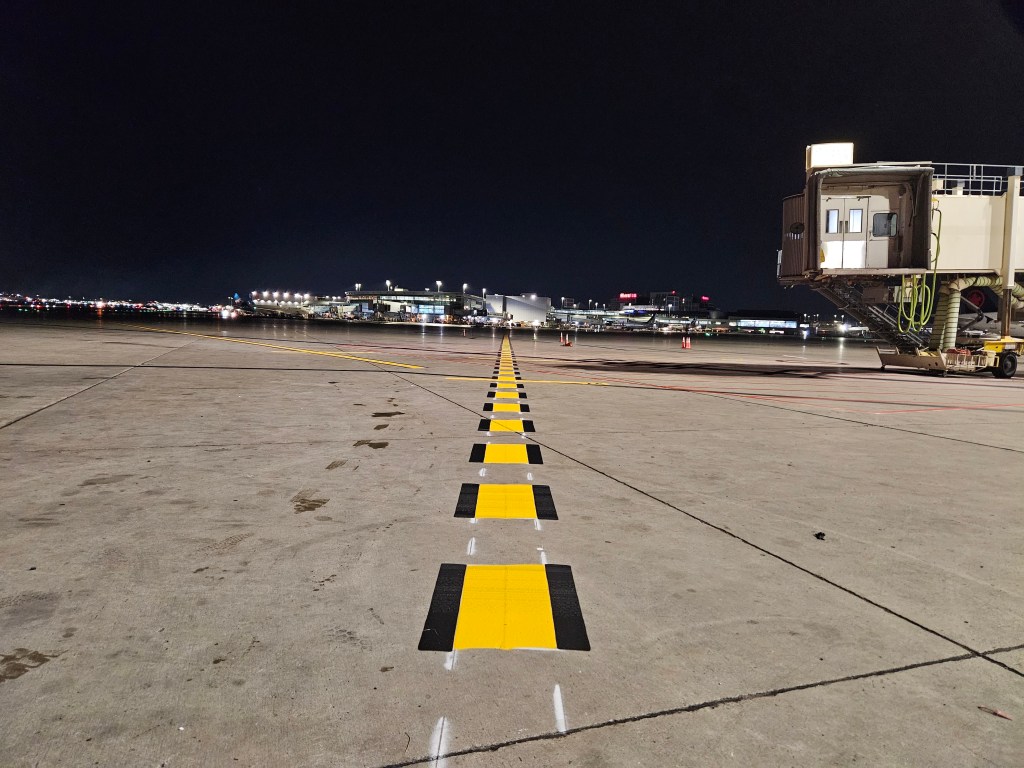
Many stands previously contained many stoplines to accommodate different aircraft types, increasing operational complexity and the risk of positioning errors leading to a multitude of safety concerns. A redesigned approach consolidated these into simplified configurations while maintaining compatibility across aircraft types.
The result was improved clarity for ground crews, reduced operational variability, a more consistent aircraft matrix, and safer, more efficient stand usage across the apron.
AIRCRAFT PARKING STRATEGIES
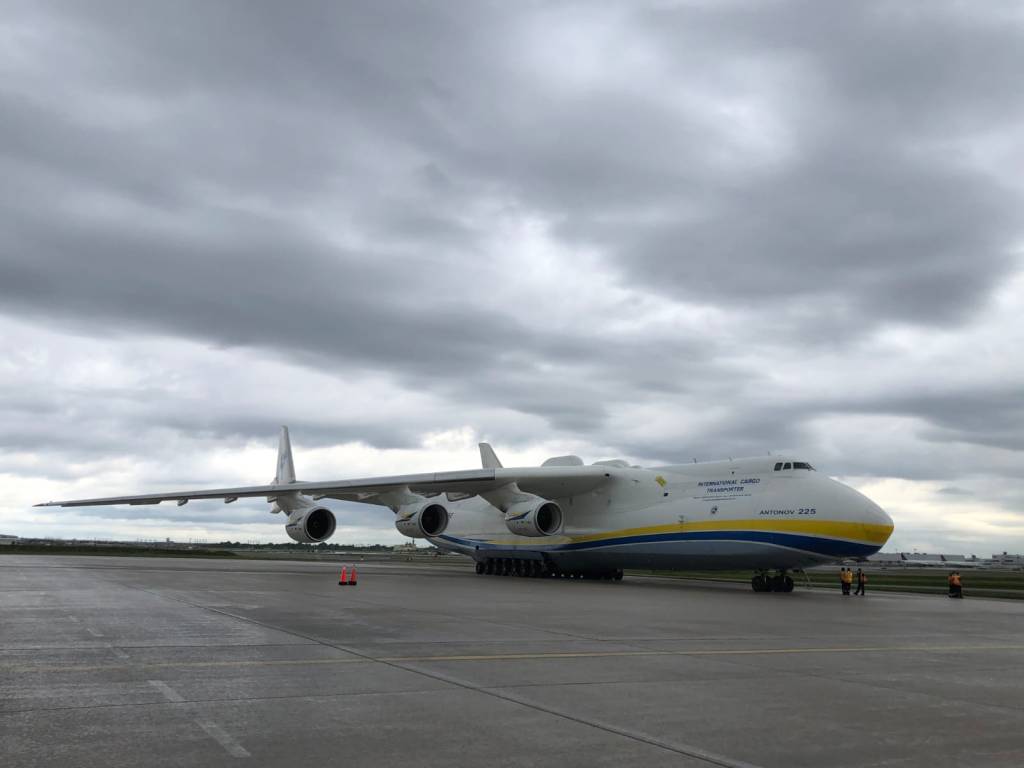
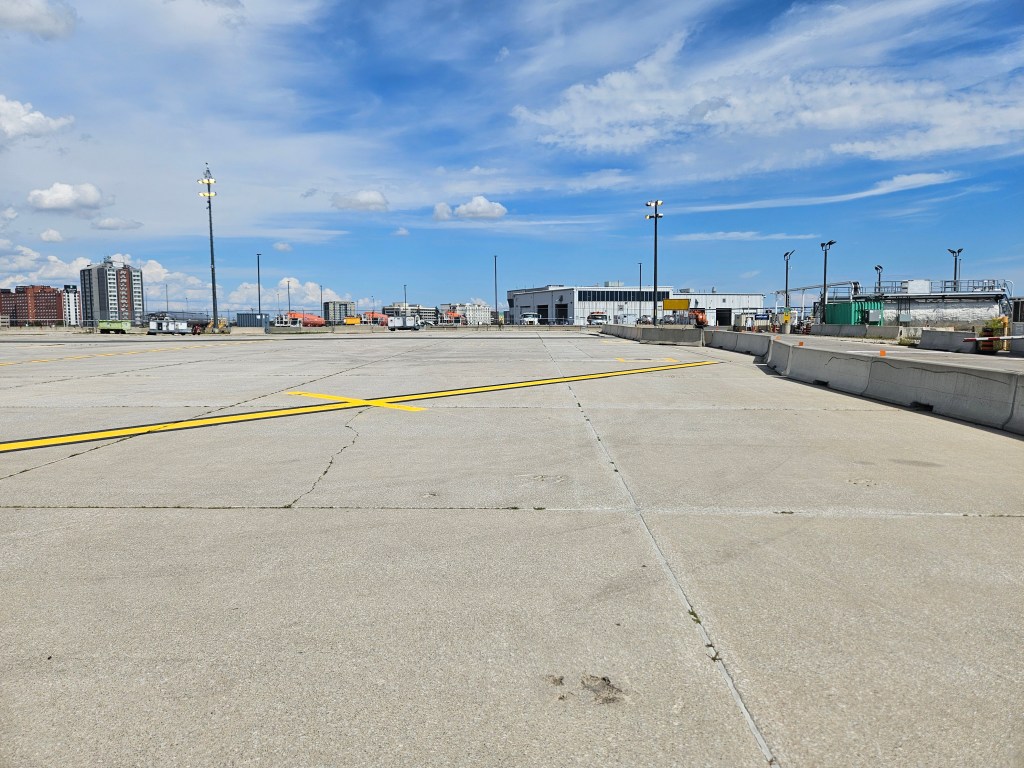
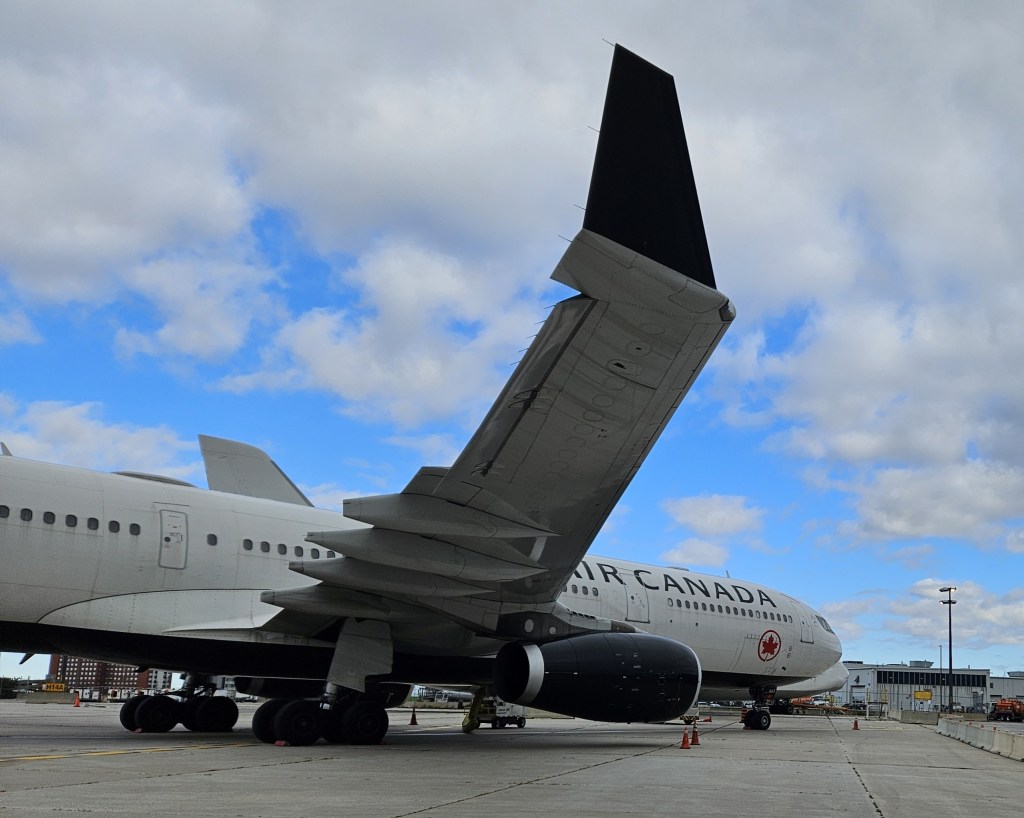
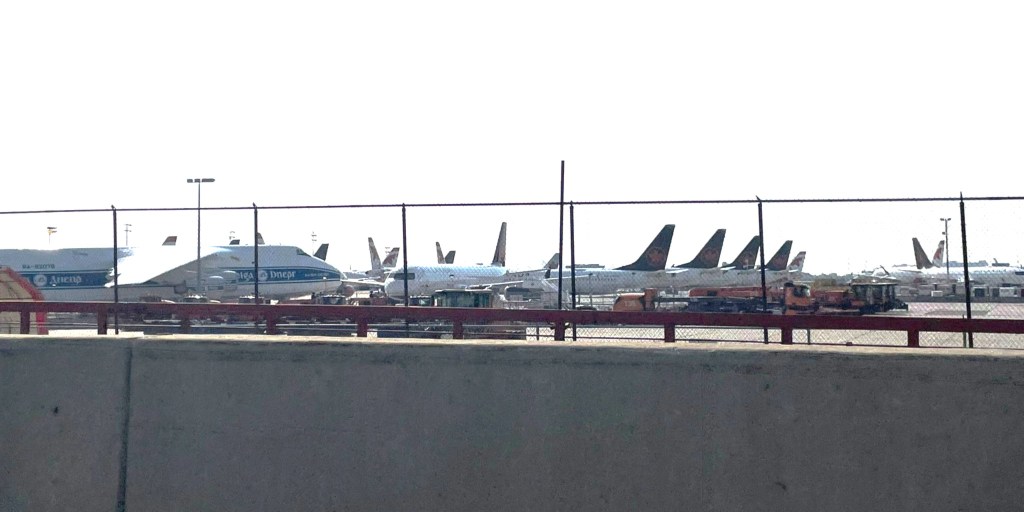
Large Aircraft Parking Planning (AN-124 / AN-225/VLA/Code F)
Development of specialized parking and servicing strategies for some of the largest cargo aircraft in global operation.
These projects required identifying apron areas capable of accommodating exceptional wingspans and unique servicing requirements while minimizing impact on overall airport capacity.
Solutions included multi-stand reconfiguration (for long-term parking), clearance validation, and the introduction of temporary and long-term parking positions to offset capacity impacts.
Aircraft were successfully accommodated in multiple configurations developed through this planning work, demonstrating the ability to manage highly constrained and uncommon aircraft operations.
Large-Scale Aircraft Parking Strategy During Operational Disruption
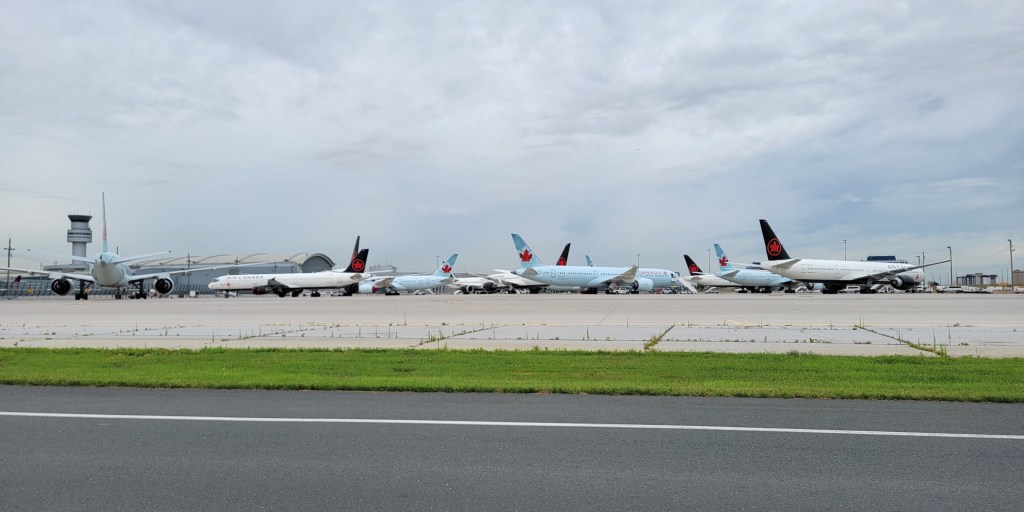
Development of large-scale aircraft parking plans during major operational disruptions requiring rapid accommodation of grounded aircraft. Examples include during COVID-19, as well as several labour disputes.
The projects involved designing coordinated parking layouts across multiple apron areas to accommodate a high volume of aircraft while maintaining access for maintenance, servicing, and essential airport operations.
Multiple planning iterations were developed in response to changing operational requirements, ensuring flexibility and adaptability throughout the disruption period.
The final implemented layout enabled efficient, organized aircraft parking at scale while preserving critical operational access.
ADDITIONAL SELECTED PROJECTS
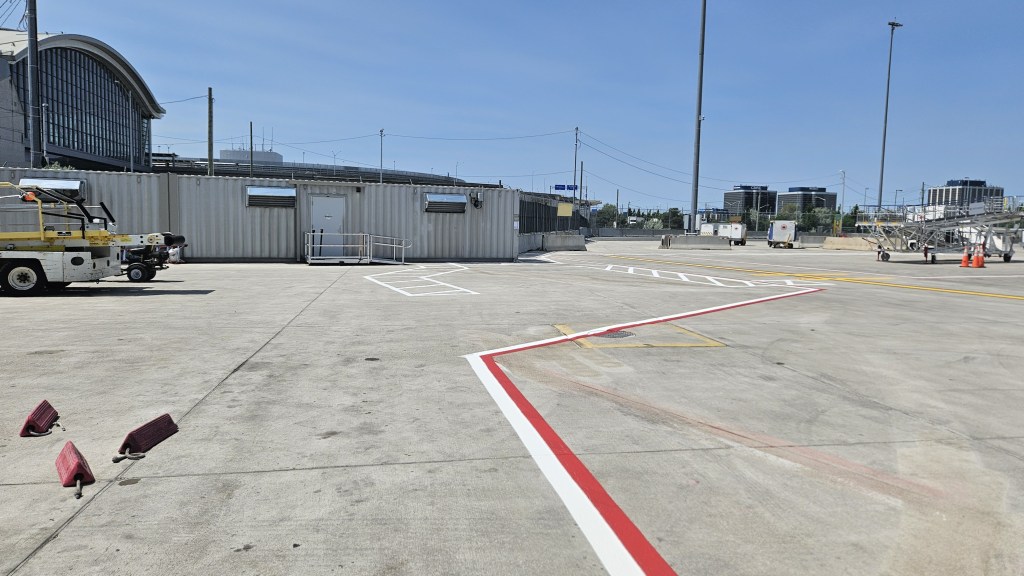
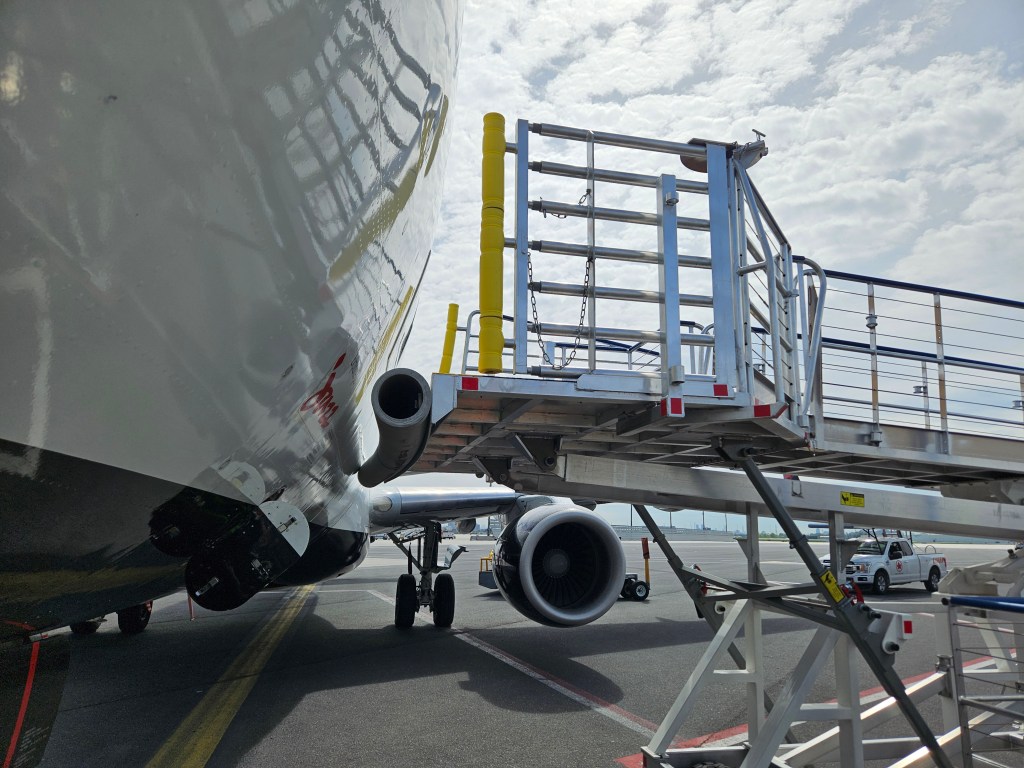
Aircraft Stand Flexibility and Safety Redesigns
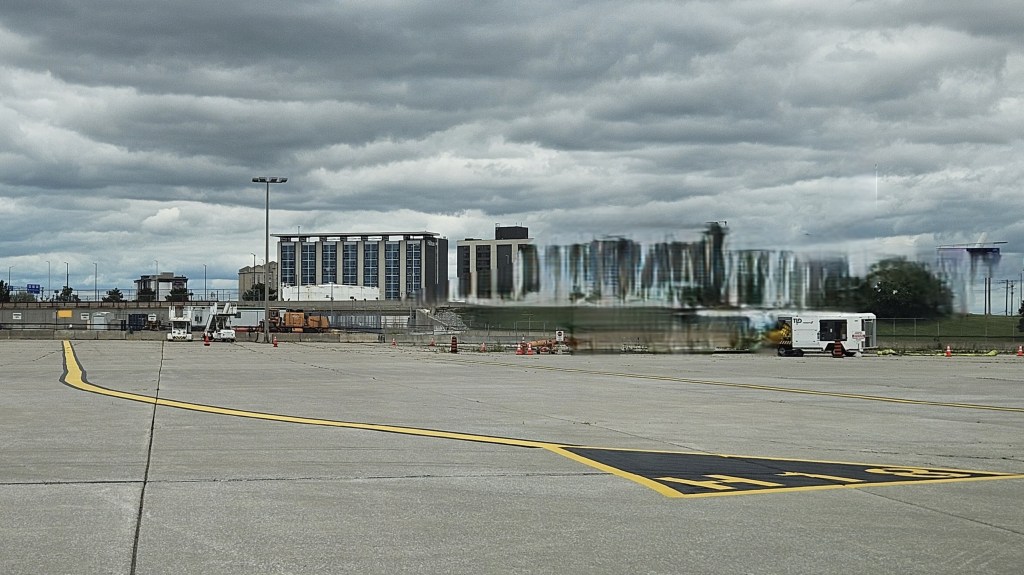
• Stand Development — New Code C stand designed to recover capacity within a constrained apron environment, while adjacent stand was repurposed for AN-124 parking.
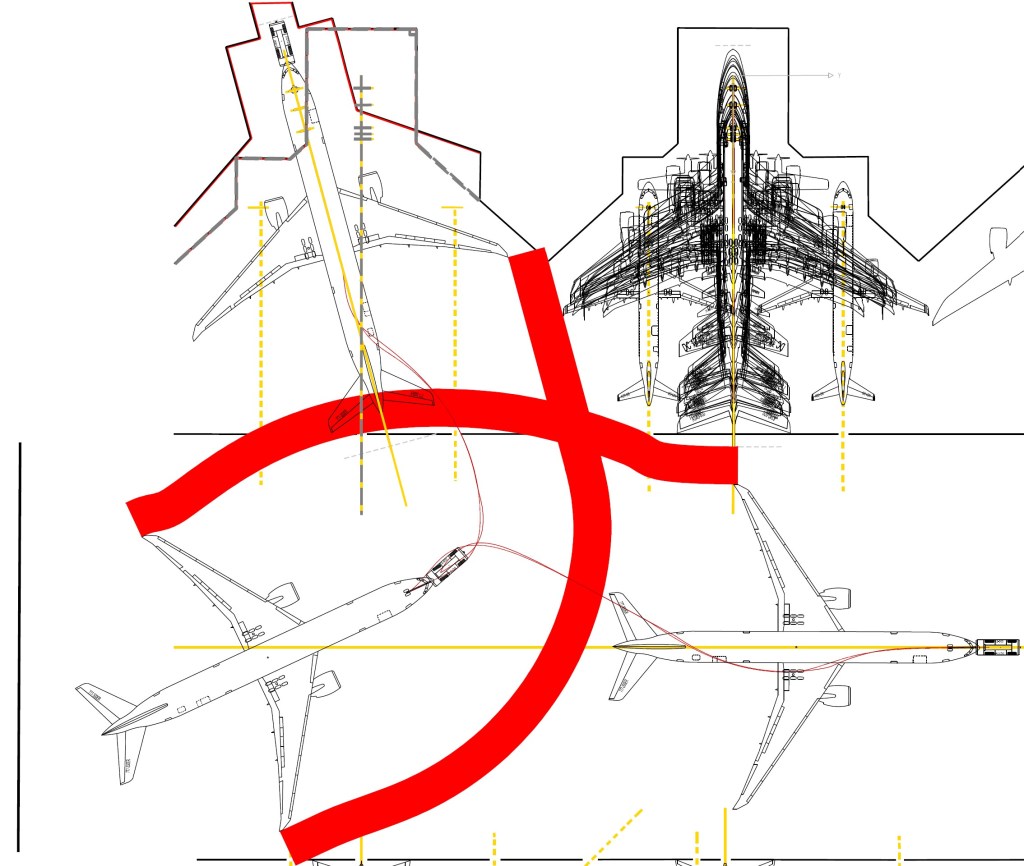
• North Cargo Stand Pushback Redesign — Simulated, validated and implemented revised pushback configuration for widebody operations, due to safety concerns regarding pushback from multiple airlines.
• Walkout Stand Development — Conversion of underutilized apron space and off-terminal stands into functional passenger walkout stands, increasing aircraft size and GSE space in the process.
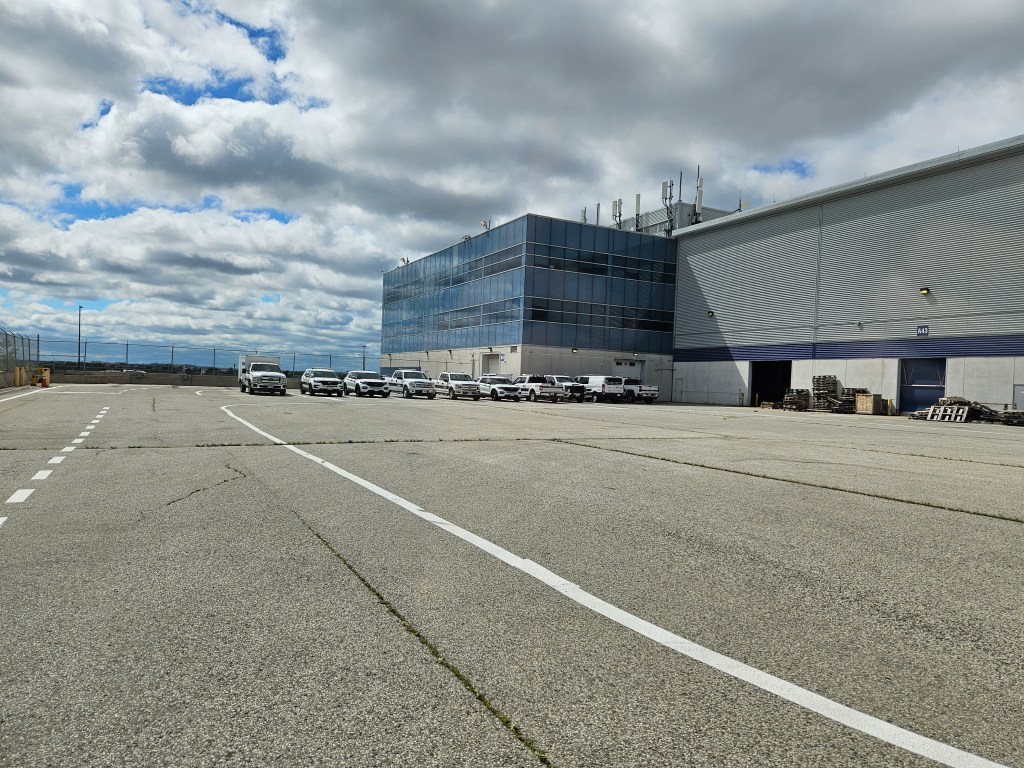
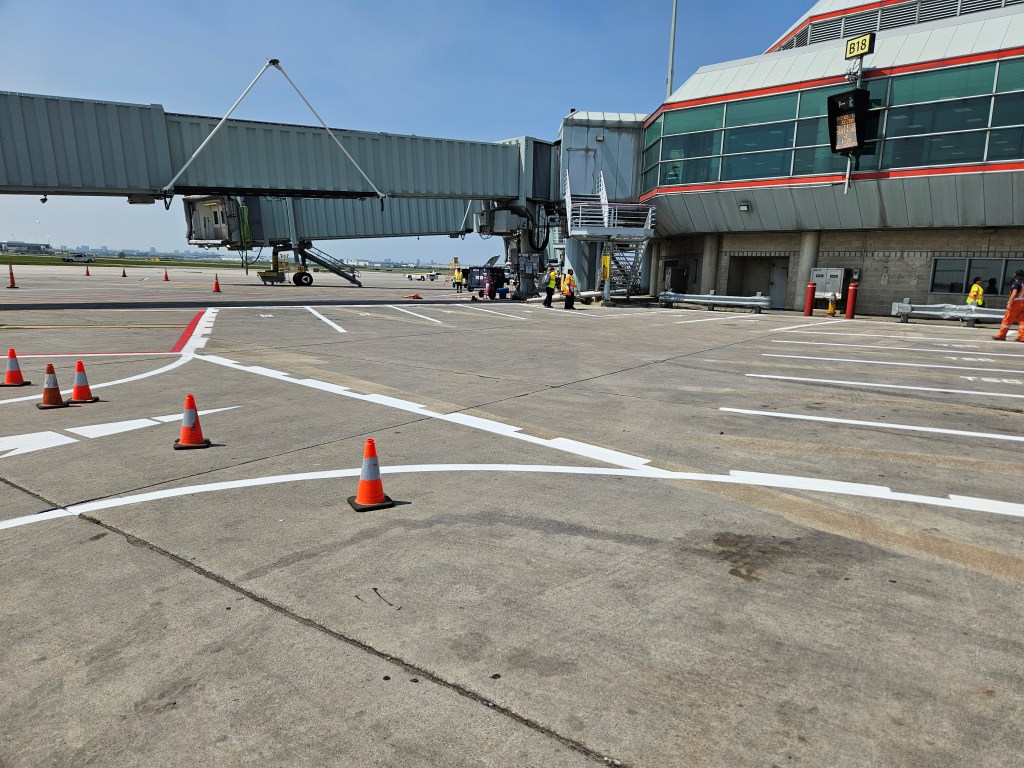
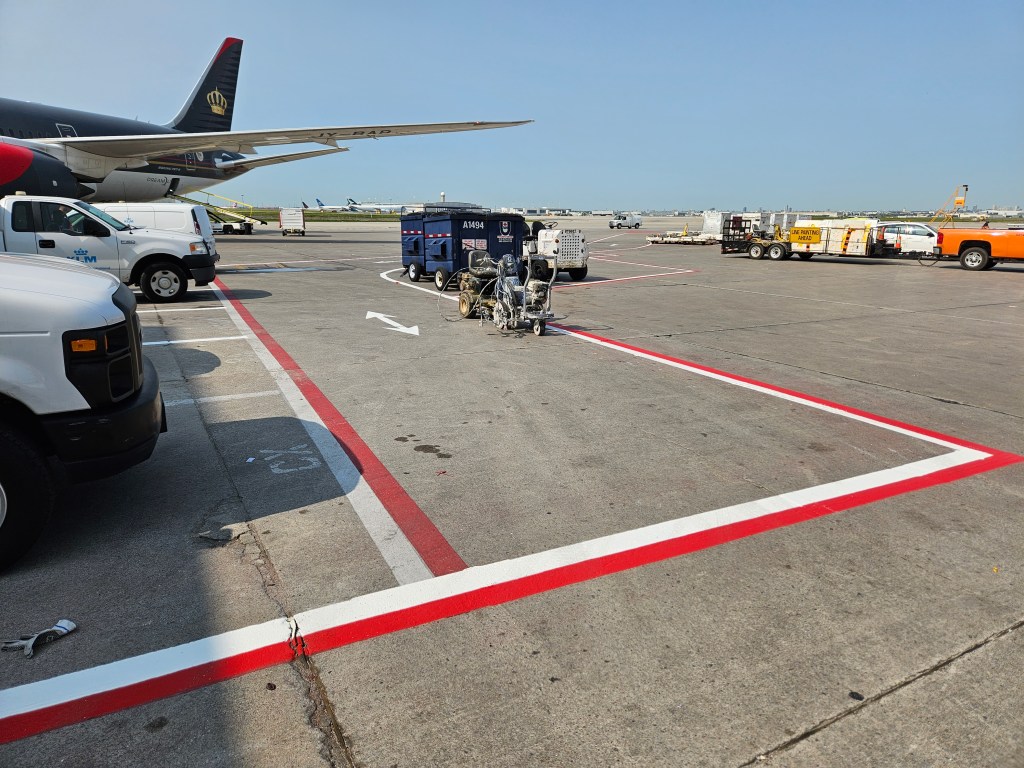
Apron & Infrastructure Enhancements
• CBSA Roadway & GSE Area Design — Improved vehicle circulation and safety within restricted operational zones, redefining roadway in a constrained area and keeping associated GSE useable for ground handling partners.
• Pier D Turnout Concept — Development of stand configurations allowing aircraft self-maneuvering without pushback.
• Airside parking areas — Reorganized tenant parking areas to improve safety, accessibility, and optimize space usage.
Construction & Operational Adaptation
• Cargo Relocation Strategy — Maintained cargo operations during the closure of the major cargo taxiway through a mix of apron reconfiguration and creative security measures.
• Wingtip Clearance Compliance Program — Airport-wide assessment and correction of clearance limitations through reassessment of lead-in line and stop positions, bringing stands into compliance.
DESIGN & SIMULATION APPROACH
Aircraft stand layouts and apron configurations are developed using a combination of:
• Airside/aircraft/apron/ground handling knowledge
• Aircraft movement simulation (AviPLAN)
• CAD-based stand and marking design (MicroStation)
• On-site validation and implementation coordination
This approach ensures that all designs are not only technically accurate, but also operationally practical within active airport environments.
DISCLAIMER
Project images are based on real-world work but may have been modified to protect confidentiality and sensitive airport information. They are illustrative and do not reflect exact operational conditions.
 CDSMI
CDSMI 